

Learning that your cat needs a procedure involving anesthesia can feel stressful. It's normal to feel anxious or worry about worst-case scenarios. While your veterinarian will explain the safety measures taken before and during the procedure, anesthesia can still be a scary concept for many cat owners. Those concerns might have led you to conduct your own online research, where it's easy to encounter misleading or incorrect information. At Crosslake Veterinary Hospital, we work extremely hard to bring you factual information you can trust. To avoid incorrect or misleading information found on the internet, we’ve taken the most frequently asked questions about cat anesthesia and answered them as thoroughly and accurately as possible to ensure you have the facts.
If you’re looking for a highly trained veterinarian in Crosslake, MN, we’d love to see your cat for any needs involving anesthesia, so please call us at (218) 692-4400.
What is anesthesia?
Anesthesia is a medically-induced loss of consciousness, preventing pain or a response to a stimulus. It works by interrupting the nerve signals in the brain and body, preventing any human or pet under anesthesia from processing pain or remembering what happened during the procedure.
What is the difference between anesthesia and sedation?
The main difference between anesthesia and sedation is the level of consciousness; with sedation being milder than anesthesia, the cat can still move around. While sedation “takes the edge off,” general anesthesia will render your cat wholly unconscious and not feeling any pain.
Why would my cat need anesthesia?
Different types of procedures might require the use of anesthesia, including any that will cause pain or those that need your cat to be completely still.
Anesthesia in cats is most often used for:
- Surgical procedures
- Wound repair
- Dental procedures
- Certain types of diagnostic imaging
How do I know that anesthesia is safe for my cat?
Before we anesthetize any pet at Crosslake Veterinary Hospital, we complete a thorough physical exam. This is critical in determining if your cat is healthy enough to be anesthetized and would reveal any issues that make it risky, such as a heart problem. We also recommend pre-anesthetic blood work or may recommend x-rays to evaluate any potential risks. The AVMA offers a list of safety measures you can take to reduce your cat’s risks under anesthesia.
What do I need to know before my cat goes in for an anesthetic procedure?
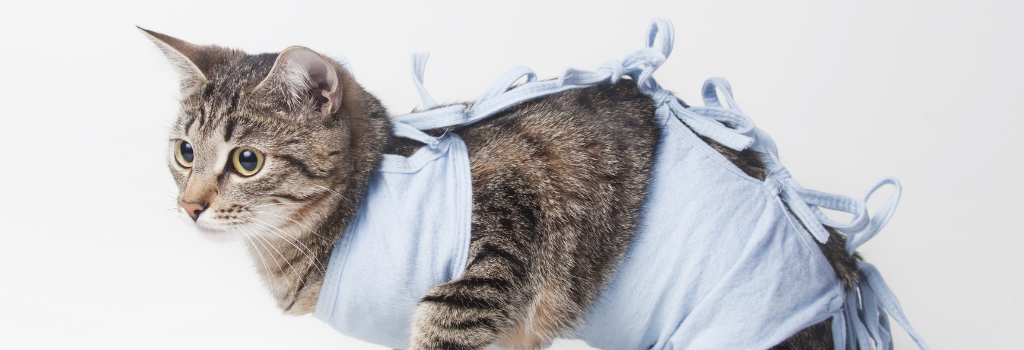
Before a procedure involving anesthesia, our team will schedule a check-in appointment. During this time, a technician or member of your cat's care team will review the procedure, discuss the estimated cost, and answer any questions you may have.
One of the most important steps in preparing your cat is fasting. In most cases, food should be withheld the night before the procedure. Your veterinary team will give you exact instructions on when to stop food and when to bring your cat to the hospital.
After the procedure, we'll send your cat home with detailed recovery instructions and review them with you to ensure your feel comfortable caring for your pet at home.
What are some possible complications of anesthesia that my cat could experience?
Although modern anesthesia is generally safe, it is not completely without risk. When a pet is under general anesthesia, their breathing and vital functions must be carefully monitored. Cats with underlying conditions such as heart disease, respiratory problems, or other systemic illnesses may have a slightly higher risk. However, careful screening and monitoring significantly reduce the chances or complications.
What will my veterinarian do to ensure my cat is safe while undergoing a procedure?
Your cat's safety is our top priority. Several precautions are taken before and during anesthesia, including:
- Performing a thorough physical exam
- Reviewing blood test results
- Taking X-rays if needed
- Placing an IV catheter for quick medication access
- Using monitoring equipment to track vital signs
During the procedure, trained veterinary staff continuously monitor your cat's:
- Heart rate
- Breathing
- Blood pressure
- Oxygen levels
- Anesthetic depth
If any changes occur, the veterinarian can immediately adjust the anesthesia or administer medications to keep your cat stable and comfortable.
What type of care should I provide my cat as they’re recovering or coming out of anesthesia?
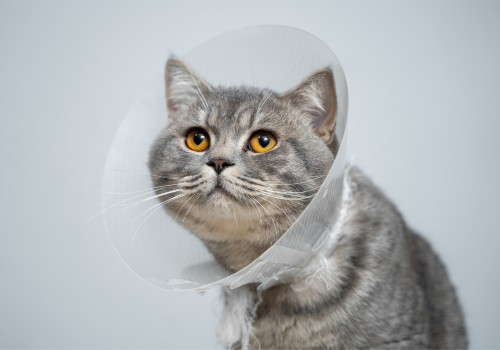
Immediately after a procedure involving anesthesia, your cat will be in the hospital and closely monitored. After post-surgical care at the hospital, your veterinarian will send your cat home once they're a little more awake, although still drowsy.
The drowsiness of a cat after a procedure depends on the following:
- The type of anesthesia
- The depth and length of anesthesia
- The cat's overall health
If your cat is overweight, they might take a little longer to recover from the anesthesia. If they’re still drowsy, you’ll want to keep your cat in a confined area with low light and low noise—the less stimulus, the better. Keep the cat in a safe area, meaning they can't jump up onto something and potentially fall off if they're still a little drowsy. You should also consider other pets in the home since they might be excited and ready to jump on them or play — but your recently-anesthetized cat may not be prepared for that level of activity.
At Crosslake Veterinary Hospital, your pet is our priority. If you have any questions, don't hesitate to call our team at (218) 692-4400, or you can email us at [email protected]. Our staff would love to talk with you!
Don't forget to follow us on social media: Facebook, Instagram.